
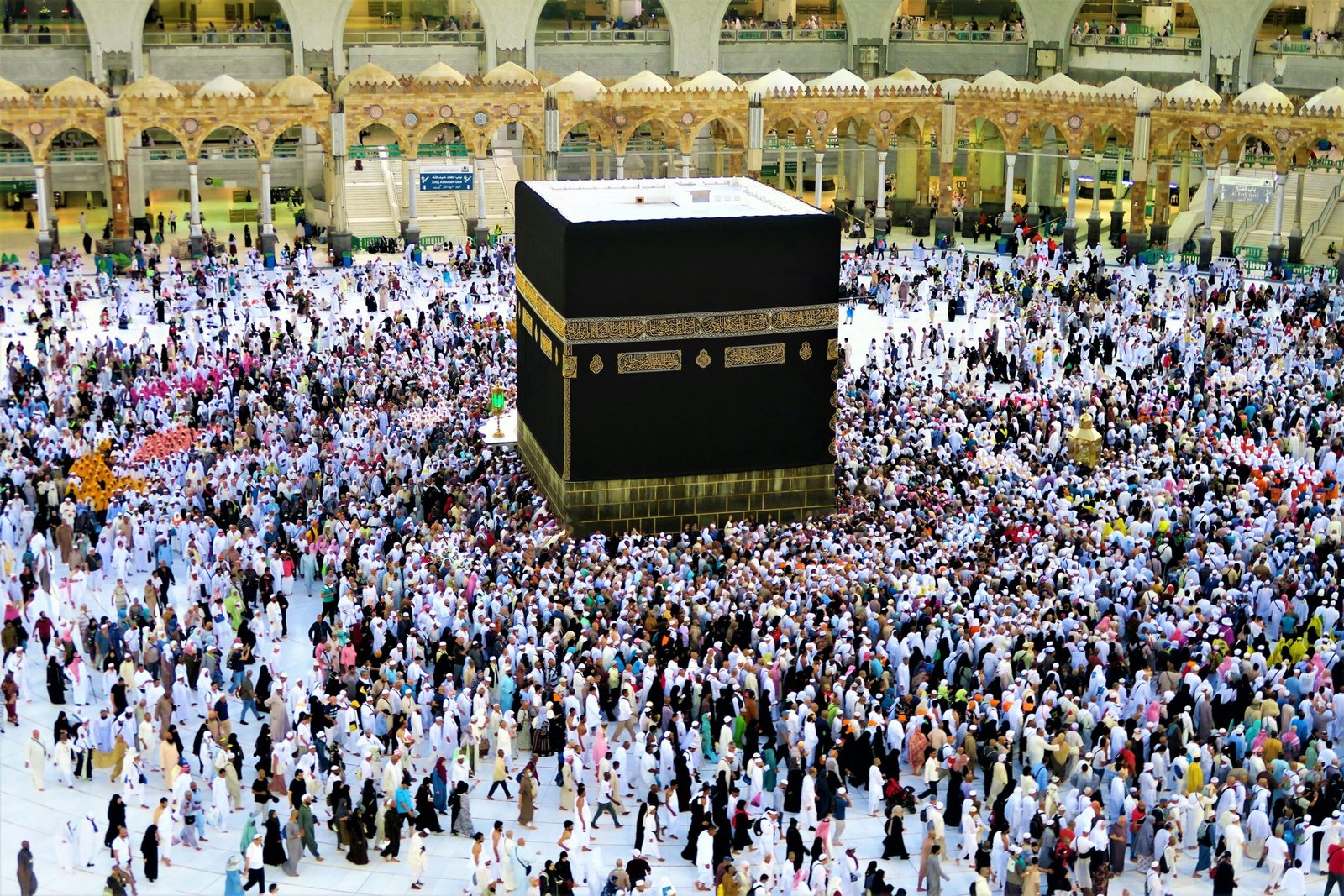
For many believers, pilgrimage is more than travel.
It is a deeply spiritual journey. Every year, millions of Christians travel to Jerusalem, while millions of Muslims journey to Mecca for Hajj.
pilgrimage is often viewed as a major spiritual milestone; Many people save money for years hoping to experience these sacred journeys.
Pilgrimage offers:
- spiritual reflection
- personal renewal
- emotional healing
- and deeper religious connection
It also affects tourism, business, and local economies.
However, pilgrimage has also become more commercialized, with luxury packages and expensive travel plans becoming increasingly common, Still, for many believers, the emotional and spiritual significance remains priceless.
For many religious believers, pilgrimage is a spiritual journey filled with prayer, sacrifice, reflection, and personal transformation.
The emotional experience often feels deeply personal and spiritually unforgettable.
Every year, millions of Christians travel to Jerusalem while millions of Muslims journey to Mecca for Hajj. In Nigeria, pilgrimage remains one of the most respected religious experiences for both Christians and Muslims.
Many Nigerians spend years saving money with the dream of visiting these holy places at least once in their lifetime.
Despite economic hardship, inflation, and rising travel costs, pilgrimage continues to attract huge interest across the country.
The Emotional Power of Sacred Places
Despite criticism, sacred locations continue to hold emotional significance for believers.
Many pilgrims describe feeling:
- peace
- emotional healing
- humility
- and stronger connection to God
For Christians visiting Jerusalem or Muslims visiting Mecca, the emotional experience often feels deeply personal and spiritually unforgettable.
In the end, pilgrimage continues to reflect the deep connection between religion, identity, culture, and personal belief within Nigerian society.